Directives & Requirements Implementation
Interpret revised DOE/NNSA requirements, determine what actually changed, identify affected programs and contracts, and translate the requirements into site-level actions.
EXECUTIVE & FEDERAL ADVISORY · DOE/NNSA SPECIALIZATION
Senior support for site management, field offices, M&O organizations, technical programs, Project Velocity / operational-efficiency implementation, exemptions and equivalencies, contract alignment, governance, and headquarters coordination.
DOE/NNSA SITE-MANAGEMENT SUPPORT
DOE/NNSA site management has to translate Departmental and NNSA policy into contracts, local procedures, technical programs, delegated authorities, assurance systems, project decisions, and day-to-day execution.
ETS can support both federal and M&O organizations at those interfaces—particularly where new directives, legacy requirements, local implementation constraints, headquarters expectations, or complex technical relief paths create uncertainty or delay.
SITE-MANAGEMENT SUPPORT LANES
Interpret revised DOE/NNSA requirements, determine what actually changed, identify affected programs and contracts, and translate the requirements into site-level actions.
Build practical alignment among headquarters expectations, field-office direction, M&O systems, technical authorities, assurance functions, procedures, and project execution.
Clarify retained federal responsibilities, contractor ownership, delegated authority, technical decision rights, assurance roles, escalation paths, and approval points.
Support technically informed negotiation and alignment of implementation expectations, contract requirements, local procedures, and technical commitments.
Develop technically defensible pathways when literal implementation is impractical, duplicative, inconsistent, or does not best achieve the required safety or mission outcome.
Structure packages, technical positions, stakeholder alignment, escalation logic, and headquarters coordination needed to carry difficult issues from concept through decision and implementation.
PROJECT VELOCITY / NNSA OPERATIONAL EFFICIENCY
DOE's current reform environment is changing directives, project-management expectations, delegations, acquisition rules, review models, and implementation responsibilities. Within NNSA, those changes have to be translated into an operating model that works at the sites.
ETS can help distinguish governing requirements from inherited practice, identify where tailoring or delegation is appropriate, and build implementation strategies that preserve mission, safety, quality, and compliance while reducing unnecessary process burden.
EXEMPTIONS, EQUIVALENCIES & COMPLEX DEVIATIONS
Complex DOE/NNSA work sometimes requires a technically justified alternative path. ETS can help develop the strategy, technical basis, stakeholder alignment, and approval package needed to move an exemption, equivalency, or comparable relief request from concept to implementation.
The objective is not simply relief—it is demonstrating how the proposed approach continues to achieve the intended safety, security, quality, mission, or compliance outcome.
CONTRACT & FIELD-OFFICE ALIGNMENT
TECHNICAL ELEMENTS OF SITE MANAGEMENT
Nuclear safety and safety basis are core site-management functions across the NNSA complex because they directly shape authorization, credited controls, readiness, project decisions, authority/delegation structures, and operating boundaries.
NNSA-WIDE NUCLEAR-SAFETY GOVERNANCE
ETS experience spans field-level safety-basis integration, Savannah River nuclear-facility support, NNSA-wide headquarters issues, and subject-matter input to the Central Technical Authority and senior safety leadership on nuclear-safety requirements and implementation.
FROM ORDER TO OPERATING PRACTICE
ETS can support a single difficult requirement or help build the full transition plan for a new directive, reform initiative, or site-management change.
SELECTED NNSA CAPITAL PROJECT EXPERIENCE
ETS leadership has supported approximately 20 major NNSA capital line-item projects, together with dozens of smaller capital and mission-enabling efforts. The examples below represent a cross-section of that experience.

Savannah River Site · Aiken, South Carolina
Supported SRPPF from its formative stages as one of the first four project team members. Key contributions included establishing the original fire protection design basis, developing the initial Fire Hazards Analysis framework, and establishing the performance-based fire protection design process.
Official DOE/NNSA source ↗
Y-12 National Security Complex
Technical and safety oversight experience on one of NNSA's largest modernization efforts.

Y-12 National Security Complex
Safety-engineering and modernization support for NNSA's lithium processing capability.

Los Alamos National Laboratory
Technical oversight and safety-engineering support for plutonium-production modernization.

Savannah River Site
Safety-engineering and technical oversight experience supporting tritium infrastructure modernization.
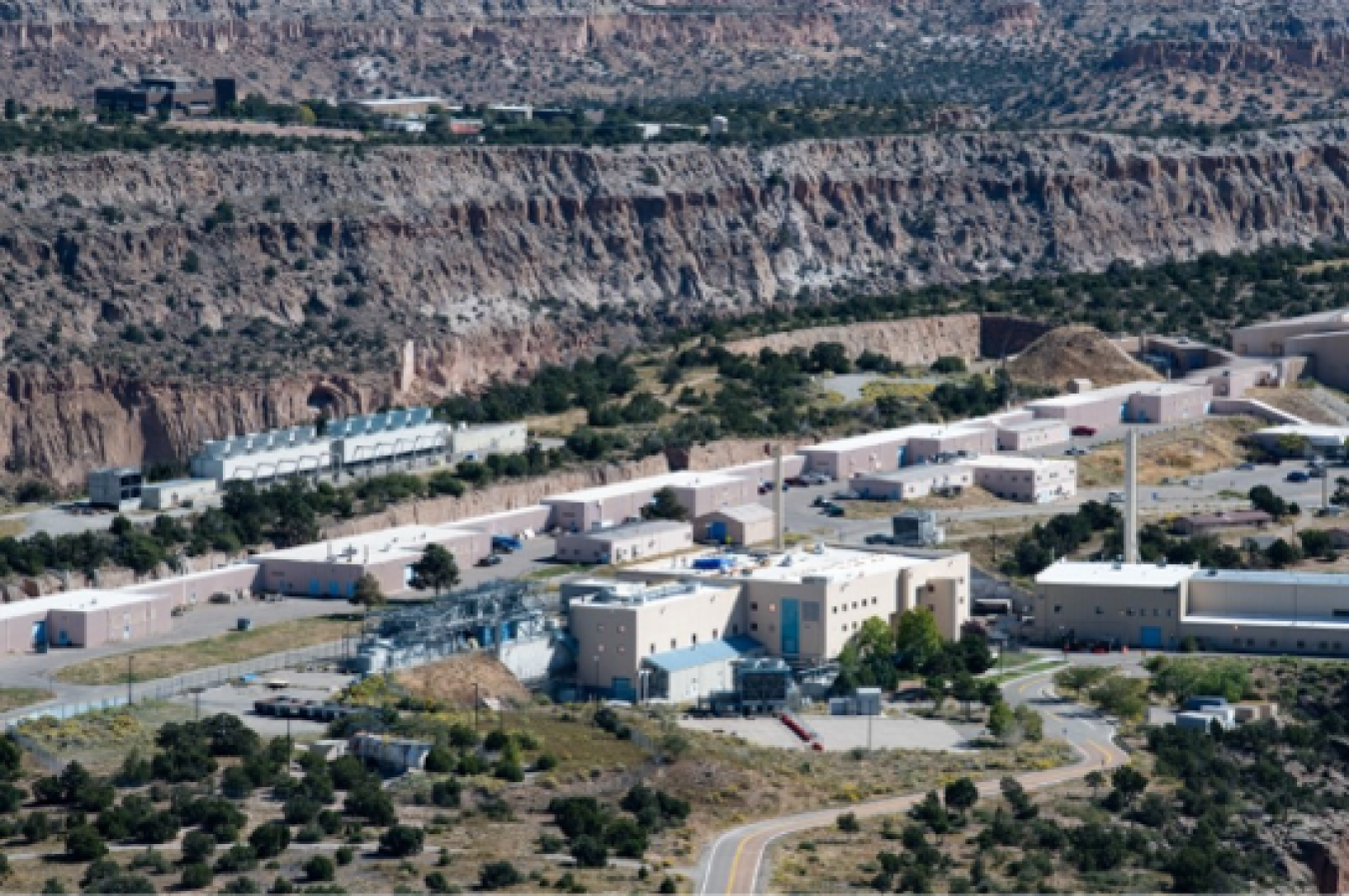
Los Alamos National Laboratory
Enterprise oversight experience supporting mission-enabling electrical-capacity, redundancy, and reliability improvements.

RECENT NNSA HEADQUARTERS EXPERIENCE
Rob Plonski, P.E. brings recent NNSA Headquarters leadership experience spanning enterprise safety engineering, ESH, technical oversight, major capital projects, field-office and contractor interfaces, directive implementation, and complex technical decision support.
In addition to supporting 20 capital line-item projects, his NNSA experience includes engagement with dozens of sub-projects and smaller capital efforts across the enterprise. That breadth provides practical context for how headquarters policy, field implementation, M&O systems, project execution, and technical programs interact.
View Rob's Executive Profile →DOE / NNSA SITE-MANAGEMENT SUPPORT
Send ETS the order, requirement, contract issue, relief concept, implementation challenge, or site-management problem.